March 23, 2026
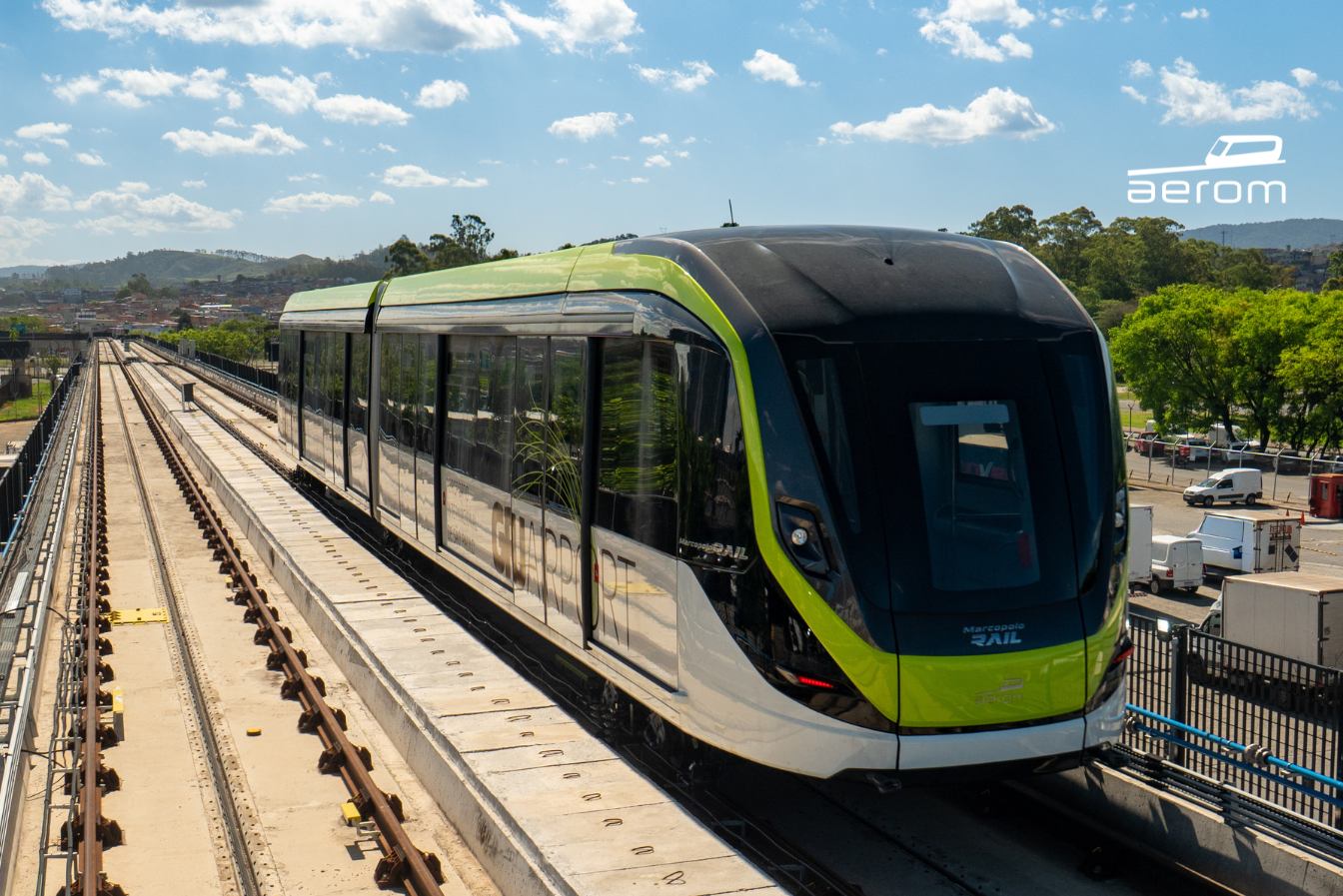
Automated People Mover (APM) systems have emerged as one of the most efficient solutions for transporting passengers over short to medium distances, particularly in environments that demand high reliability, consistency, and low operational impact.
Fully automated and operating on dedicated guideways, APMs are designed to deliver continuous, safe, and high-frequency servisse, key attributes increasingly valued in modern urban mobility and infrastructure projects.
What Are APM Systems and How Do They Work?
In simple terms, APMs are lightweight, driverless vehicles controlled by advanced automation systems. These technologies ensure precise operations, centralized control, and high predictability—minimizing external interference and reducing human error.
Because they operate on fully segregated guideways, APM systems are unaffected by road traffic, resulting in greater operational efficiency and on-time performance.
Where Are APMs Used?
APM systems are widely deployed in environments with high passenger volumes and a need for fast, organized movement, including:
In Brazil, relevant applications include systems at Aeroporto Internacional de São Paulo, which connects airport terminals to the regional rail network, and at Aeroporto Internacional Salgado Filho, where the system links the airport to the Trensurb network.
Growth Opportunities in Brazil
Although still limited in number, APM systems in Brazil present strong growth potential, particularly in:
This creates a clear opportunity for adopting more efficient, sustainable, and cost-effective mobility solutions compared to traditional systems.
Key Advantages for Mobility Projects
When evaluating transportation solutions, public authorities and investors recognize several competitive advantages of APM systems:
High Operational Efficiency
Automation enables short headways and continuous passenger flow.
Lower Operating Costs (OPEX)
Driverless operation significantly reduces long-term operational expenses.
Faster Deployment
Compared to heavy rail systems, APMs require lighter infrastructure and shorter implementation timelines.
Sustainability
Electric operation and energy efficiency contribute directly to decarbonization goals.
High Safety Standards
Redundant systems and centralized control ensure reliable and safe operations.
Different Technologies Within APM Systems
It’s important to note that “APM” is not a single technology but a category of systems. These may include:
This flexibility allows APM systems to be tailored to the specific needs of each project.
APM Systems Around the World
APMs are already an essential part of major transportation hubs worldwide, supporting the efficient movement of millions of passengers every year:
In these environments, APM systems play a critical role in ensuring seamless, high-capacity passenger flows.
Why Invest in APM Systems?
As cities continue to grow and sustainability becomes a priority, APM systems stand out as a strategic mobility solution.
They are particularly well-suited for scenarios where:
APM systems represent a modern, efficient, and proven solution for mobility challenges in high-demand urban and infrastructure environments.
By combining automation, sustainability, and cost efficiency, they offer a compelling alternative for cities and developments seeking innovation and performance in passenger transportation.
References
This content is based on international guidelines and publications related to automated transportation systems and urban mobility, including:
READ MORE:
Guarulhos Aeromovel Opens to General Public Under Phased Operations
Coester Group Directors Conduct a Technical Visit to Embraer